
How IgniteStack measures AI visibility

A repeatable framework for measuring where brands appear, why competitors are selected and which changes can improve commercially valuable AI visibility.
01
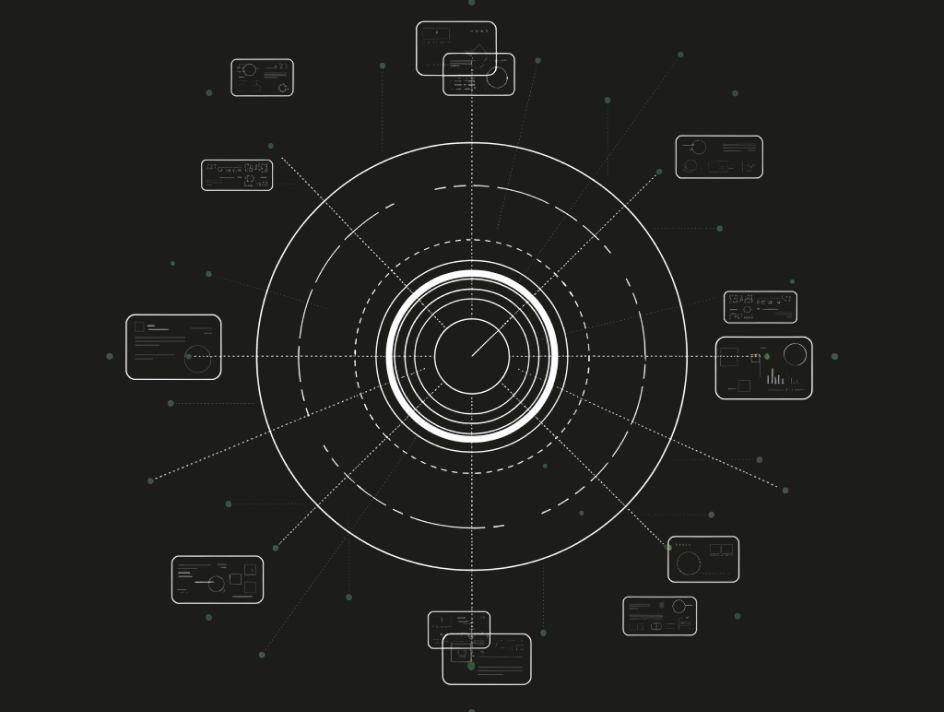
Build the commercial Prompt Universe
Map the discovery, research, comparison and purchase questions that reflect how customers actually make decisions.
02
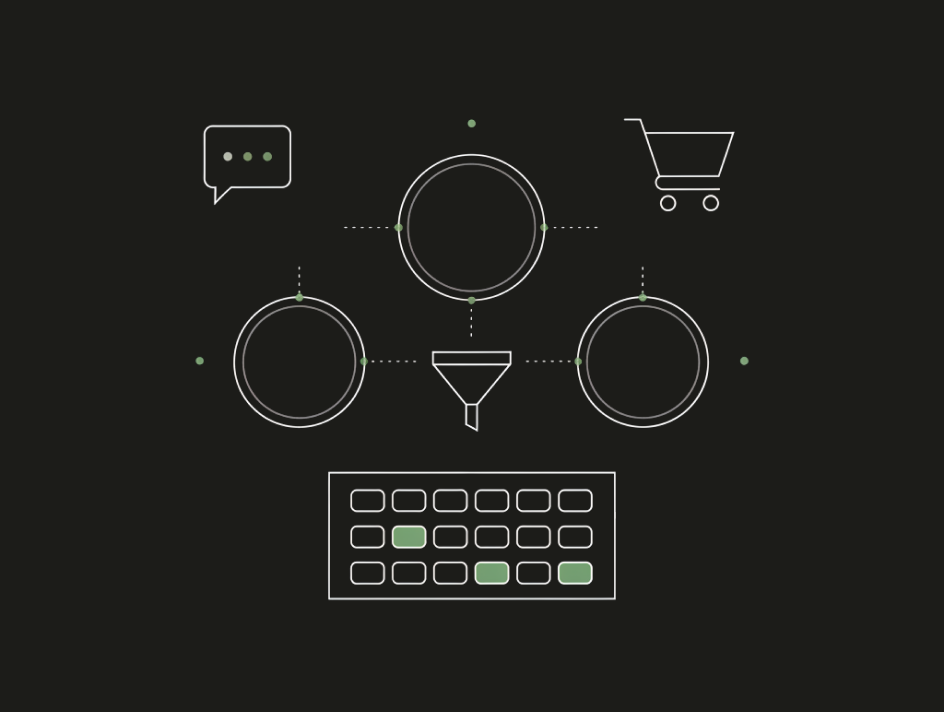
Measure platforms and competitors
Track mention rate, recommendation position, share of voice and prompt coverage across selected AI platforms and competitors.
03
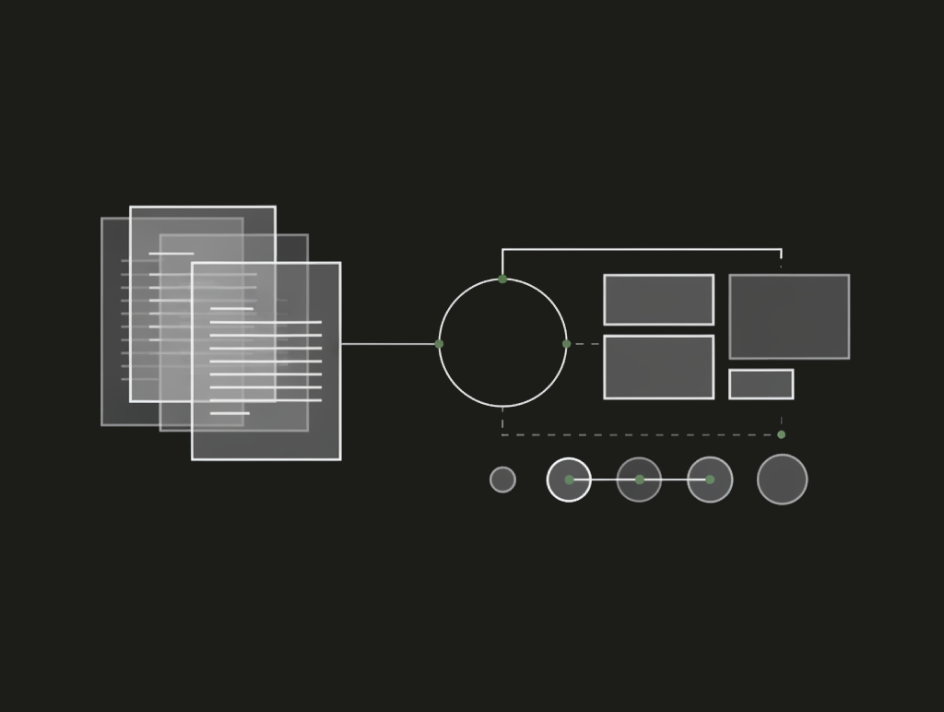
Analyse citations and source influence
Identify the owned and independent sources shaping answers, competitor advantage and gaps in external corroboration.
04
Diagnose, implement and remeasure
Turn findings into technical, content and authority actions, then remeasure the same prompt universe to track meaningful change.
AI VISIBILITY INTELLIGENCE

See where your brand stands in AI search

  • Track the customer questions shaping discovery and purchase.
  • Monitor visibility across every major AI search platform.
  • Benchmark performance against the brands competing for attention.
  • Measure share of voice, recommendation rate, position and citations.

  • Understand how AI represents your brand and the sentiment shaping buyer perception.

A connected intelligence system for AI visibility growth

Prompt & Platform Intelligence
Our Prompt Universe maps customer questions, platform visibility and competitor performance across the entire buying journey.
Competitive Gap Intelligence
Our system analyses competitor content, citations and authority signals to reveal where your brand has the greatest opportunity to grow.

AI visibility methodology FAQs

AI-generated answers can change by platform, prompt wording, location, context, retrieval behaviour and model updates. IgniteStack therefore measures patterns across a consistent Prompt Universe rather than treating individual screenshots as fixed rankings.
Why do you use a fixed Prompt Universe?

A consistent Prompt Universe makes it possible to compare visibility over time. If the questions change constantly, movement becomes difficult to separate from differences in the test itself.

How do you choose which prompts to track?

We prioritise questions connected to real commercial journeys including discovery, research, comparison, validation and purchase. Branded prompts are used selectively because they can artificially inflate visibility.

How many AI platforms should a brand measure?

It depends on the audience and category. IgniteStack can analyse major platforms including ChatGPT, Google AI, Gemini, Claude, Perplexity and Copilot. We prioritise the platforms most relevant to the customer journey rather than treating every platform equally.

Why can AI visibility change between tests?

Generative outputs are probabilistic and can vary because of model updates, retrieval changes, location, context and newly available information. That is why we look for repeated patterns across a broader sample.

Is citation rate the same as recommendation visibility?

No. A brand can be recommended without its own website being cited and a cited source does not automatically mean the brand was recommended. We measure mentions, recommendations and citations separately.

How do you identify why a competitor is more visible?

We compare the content, entity signals, technical foundations and external sources surrounding the brands being recommended. This helps identify whether the gap is primarily content, authority, technical structure or broader brand evidence.

How often should AI visibility be remeasured?

For active programmes, regular measurement is more useful than one-off audits. The right frequency depends on the category and pace of implementation but the underlying methodology should remain consistent.

Can AI visibility be connected to revenue?

It can be connected to commercial indicators such as referral traffic, leads, sales and branded demand where the underlying data allows it. We avoid attributing revenue to AI visibility alone when other marketing activity is also contributing.